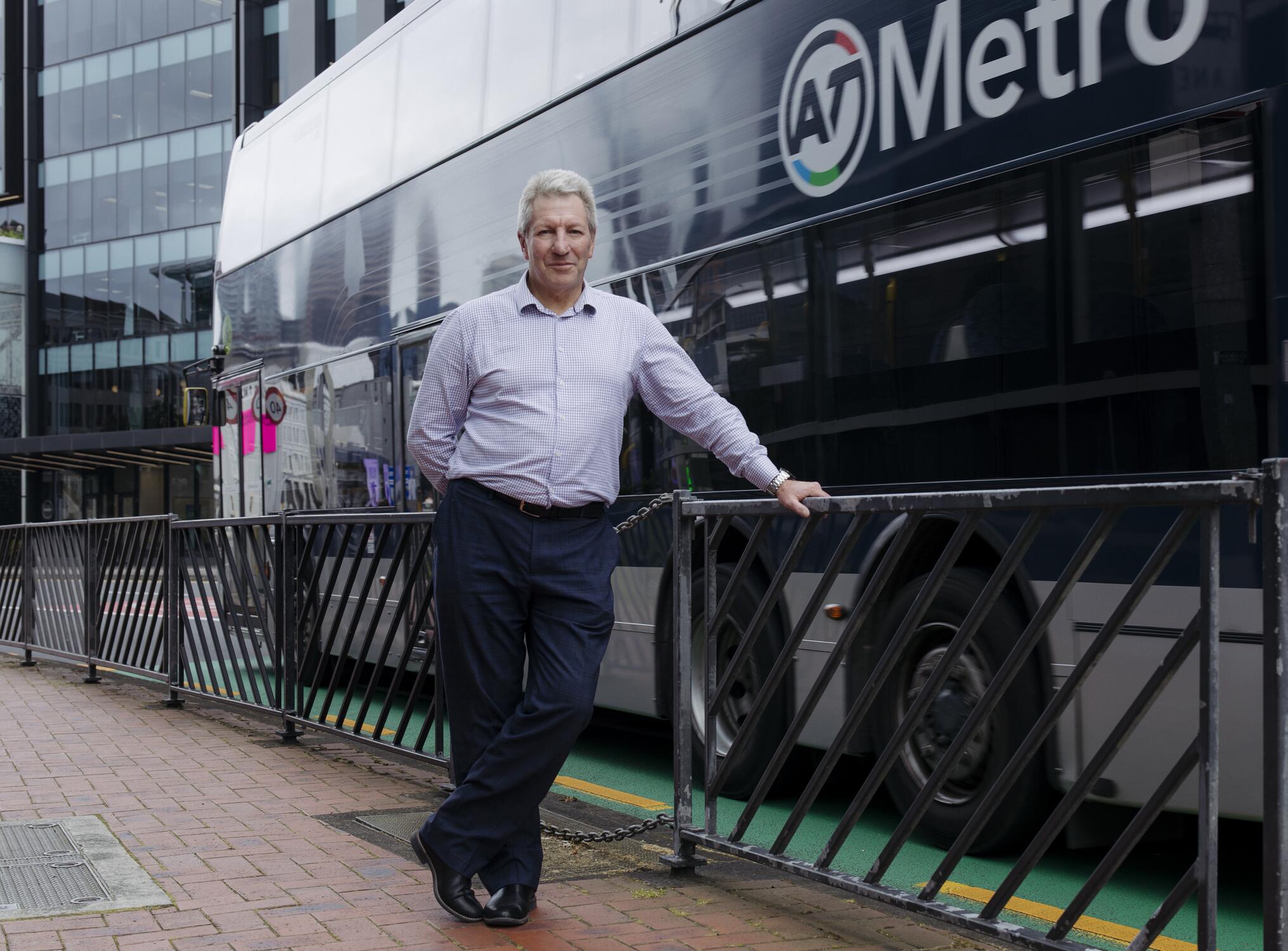
When Auckland Transport began offering Afterpay to pay off fines, Aucklanders were quick to embrace it – saving the publicly funded organisation hundreds of thousands in debt collection costs.
No one likes paying a parking ticket. But for organisations like Auckland Transport, collecting unpaid fines can be frustrating, too.
The council-controlled organisation, which oversees trains, ferries, buses and parking across Tāmaki Makaurau, New Zealand, faces significant costs when overdue fines need to be referred to debt collectors or the courts.
That’s why Auckland Transport began offering Afterpay in 2025, giving Aucklanders the option to pay parking and traffic infringements in instalments.
Since then, more than 30,000 Aucklanders have used Afterpay to pay millions of dollars in fines – while helping Auckland Transport avoid hundreds of thousands of dollars in debt collection and court costs.
About Auckland Transport
Every year, Aucklanders take more than 89 million trips on Auckland Transport’s network of buses, ferries and trains. The council-controlled organisation also maintains and manages the city’s roads and parking.
As part of its role, Auckland Transport also issues fines for parking or traffic infringements.
How Afterpay reduces collection fees
Issuing and collecting fines can be time-consuming and expensive, says Gary Miller, banking and compliance lead at Auckland Transport.
“The cost of administering these infringements is really high,” says Miller.
A $12 parking ticket, for example, can end up costing Auckland Transport quadruple that amount when the organisation has to involve debt collectors or the courts.
Miller explains, “With every step that [a fine] goes further down the road [and remains unpaid], there’s another cost involved.”
With Afterpay, customers can pay their fine in instalments over six weeks, meaning fewer fines need to be referred to debt collection agencies or the courts.
With 10% of fines now paid with Afterpay, that has saved Auckland Transport hundreds of thousands of dollars – and, in turn, saved money for ratepayers.
Miller says, “We might not be a business in the true ‘for-profit’ aspect, but we still have to look at costs. We’re dealing with ratepayers’ money, so we have to do the right thing.”
A smoother experience for travellers
Afterpay has been especially popular with younger travellers, says Miller, who emphasises the importance of offering a range of payment methods to suit every customer.
“Aucklanders have definitely got their specific ways of doing things. There are some customers who will only pay their fines at New Zealand Post [outlets]. That’s often an older generation,” he explains.
He continues, “Younger people want to [make payments] on their phones. They live on their phones, they pay on their phones.”
“What I’m hearing from the younger generation is that many of them have a particular dislike for credit cards,” Miller says. “They prefer Buy Now Pay Later.”
“With Afterpay, they might get a fine and they can pay it off over six weeks. What a pleasure! It just makes life easier.”
Gary Miller, banking and compliance lead at Auckland Transport
A more positive experience
In Miller’s experience, most people do want to pay their fines. He says, “Surveys have found that people do want to pay fines. They don’t like to pay – it’s a grudge payment. But people do want to be compliant.”
Often, people want to pay but can’t afford to do so immediately. He says, “You do get some families who are slightly closer to the edge.”
Offering Afterpay provides a more positive customer experience than referring unpaid fines to a debt collection agency. Miller explains, “No one wants to be lodged with BayCorp. They don’t want to be lodged with court. It’s traumatising.”
A cost-efficient payment measure
When Auckland Transport first introduced Afterpay, there were concerns within the business that customers might use it for fines they would otherwise have paid straightaway.
That hasn’t happened, says Miller.
“What we have found is that people are using Afterpay to pay off bigger fines only,” he says. “Some of them are adding fines together, saying, ‘I’ve got three fines totalling $80 and I’ll use Afterpay to pay off all three together.’ So, we haven’t had that leakage issue.”
Afterpay also absorbs all the risk of nonpayment. While customers pay in instalments, Auckland Transport is paid the full amount upfront. “So, we sit with our $200 upfront, and Afterpay collects the money over the next six weeks from the customer,” he says. “If the customer defaults, they [Afterpay] deal with all of that.”
“Afterpay is really quite amazing.”
Gary Miller, banking and compliance lead at Auckland Transport
Easy to introduce, popular with customers
Auckland Transport worked with payment gateway Windcave to introduce Afterpay. “It was so easy to set up,” says Miller.
He adds, “We made some changes on our side and we found Windcave really fantastic to deal with.”
Afterpay is now used to pay around 25% of Auckland Transport’s higher-value fines. Auckland Transport now lists Afterpay as a payment method on the back of fines, as well as on its website.
Customer reaction has also been overwhelmingly positive. Miller has since fielded calls from other councils and public organisations interested in offering Afterpay.
He says, “I’ve helped other councils get on board, and the main reason is that it makes so much sense.”
For Miller, giving people more flexibility in how they pay ultimately makes the system fairer and more accessible.
“We recover fines to make life for all Aucklanders,” Miller explains. “We’re not trying to be difficult. We do it so everyone has the opportunity to park anywhere. We want to promote public transport.”
Adding, “These Buy Now Pay Later platforms are brilliant. To me, it’s a no-brainer.”
All references to any registered trademarks are the property of their respective owners. Afterpay does not endorse or recommend any one particular supplier and the information provided is for educational purposes only.

Categories