How Afterpay drives 50 per cent bigger baskets for New Zealand supermarket Paddock to Pantry.
Paddock to Pantry offers everything from fresh meat to free-range eggs. But at this online supermarket, choice goes beyond what’s on the shelves – it extends to how customers pay.
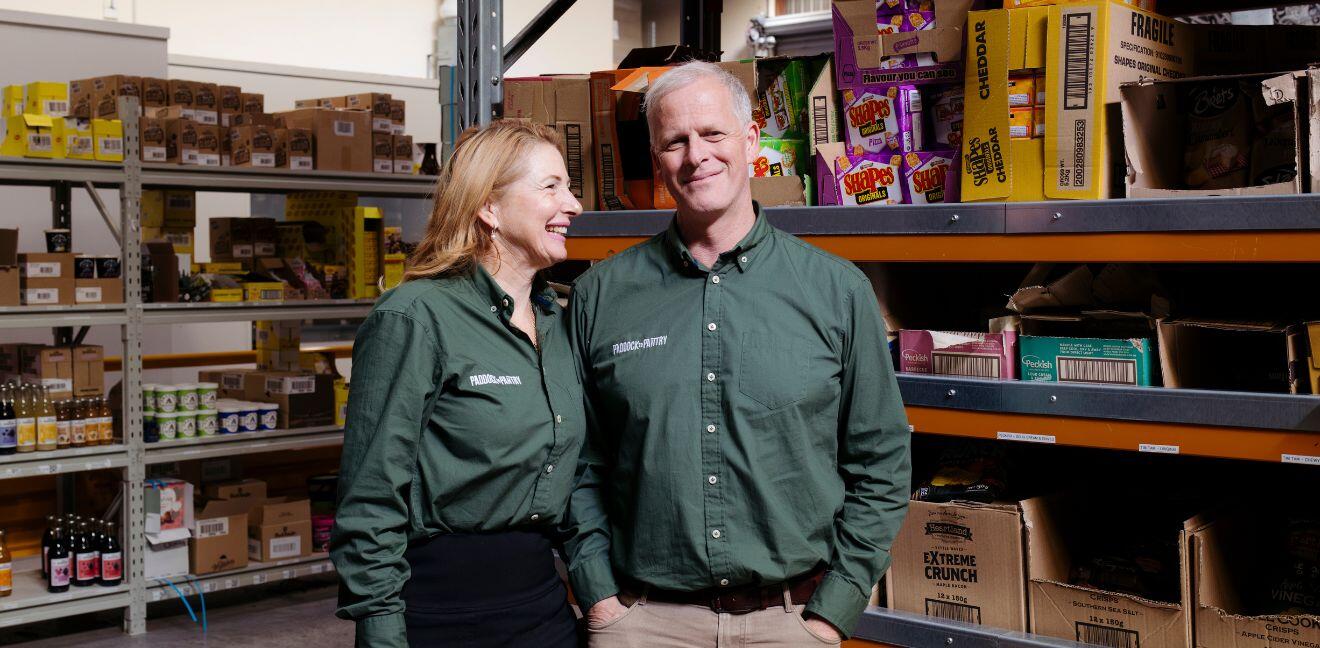
At Paddock to Pantry, customers can spread their payments over time with Afterpay. And, according to CEO Wayne Kennerley, that flexibility has business benefits for Paddock to Pantry, too. Offering Afterpay has become a clear competitive advantage in a category where major supermarkets have yet to adopt Buy Now Pay Later.
“It’s one thing that we offer that the supermarkets currently don’t.”
Afterpay is now used by a “significant proportion” of Paddock to Pantry customers, and those customers are valuable, says Kennerley. On average, Afterpay customers spend 52 per cent more than those paying with other payment methods.
“For any small business [Afterpay] is a must,” says Kennerley.
About Paddock to Pantry
Today Paddock to Pantry delivers thousands of daily orders nationwide. But it began as a small, local store in Karaka, near Auckland.
“It was the only shop in the middle of rural countryside, and it was basically going to close,” recalls Kennerley. “We bought it to keep it running and then we asked, ‘How do we grow this to be an economically sustainable business?’”
The answer was to lean into e-commerce.
“The opportunity for us is online. That’s our focus. That’s where our expertise is.”
Today strong supplier relationships – combined with a solid partnership with New Zealand Post, enable Paddock to Pantry to deliver a range of products at competitive prices around the country.
Built on choice
Choice is important at Paddock to Pantry. As an independent, the business positions itself as a genuine alternative to New Zealand’s supermarket duopoly. “What’s exciting for us is we know we’re doing something good for New Zealand,” says Kennerley.
He sees offering Afterpay as another way to offer customers choice. “It’s just another payment method. We’re a family business and we’re trying to provide you with more choices… and this is a choice about how you pay.”
Kennerley views BNPL as firmly mainstream.
Attracting everyday shoppers
Afterpay isn’t just a payment method; it’s a customer acquisition tool.
As more New Zealanders turn to BNPL for everyday spending, offering Afterpay helps Paddock to Pantry attract new shoppers and grow its audience share in a competitive market.
“We’ve seen the power of Afterpay. There’s no way I would drop it. I know our conversion rate would suffer.”
Bigger baskets, higher spend
Giving customers the ability to spread their payments leads to bigger baskets, says Kennerley.
Paddock to Pantry customers who pay with Afterpay spend 52 per cent more, on average, than those using other payment methods.
It also enables customers to spread the costs of larger orders. “Around Christmas time or big events, when people are putting in massive orders for Christmas hams and they tend to be feeding the family, Afterpay is a good way for them to manage their spending.”
Plus, Afterpay helps shoppers take advantage of specials.
“From time to time, we’ll run a product that’s far cheaper than supermarkets. For instance, we’ve run specials where Anchor Butter was $5. In supermarkets at the time, Anchor Butter was retailing close to $10.”
An everyday essential
For Kennerley, offering Afterpay is a no-brainer. “If you offer Afterpay [more] people may come. Whereas if you don’t offer Afterpay, they’ll go somewhere else.”
“Every small business needs to have it. Especially in the current environment.”
All references to any registered trademarks are the property of their respective owners. Afterpay does not endorse or recommend any one particular supplier and the information provided is for educational purposes only.
*Figures supplied by Paddock to Pantry and relevant for the year to April 2026.

Categories