As consumers shift from holiday mode to everyday structure, smart retailers can capture new customers and lift sales.
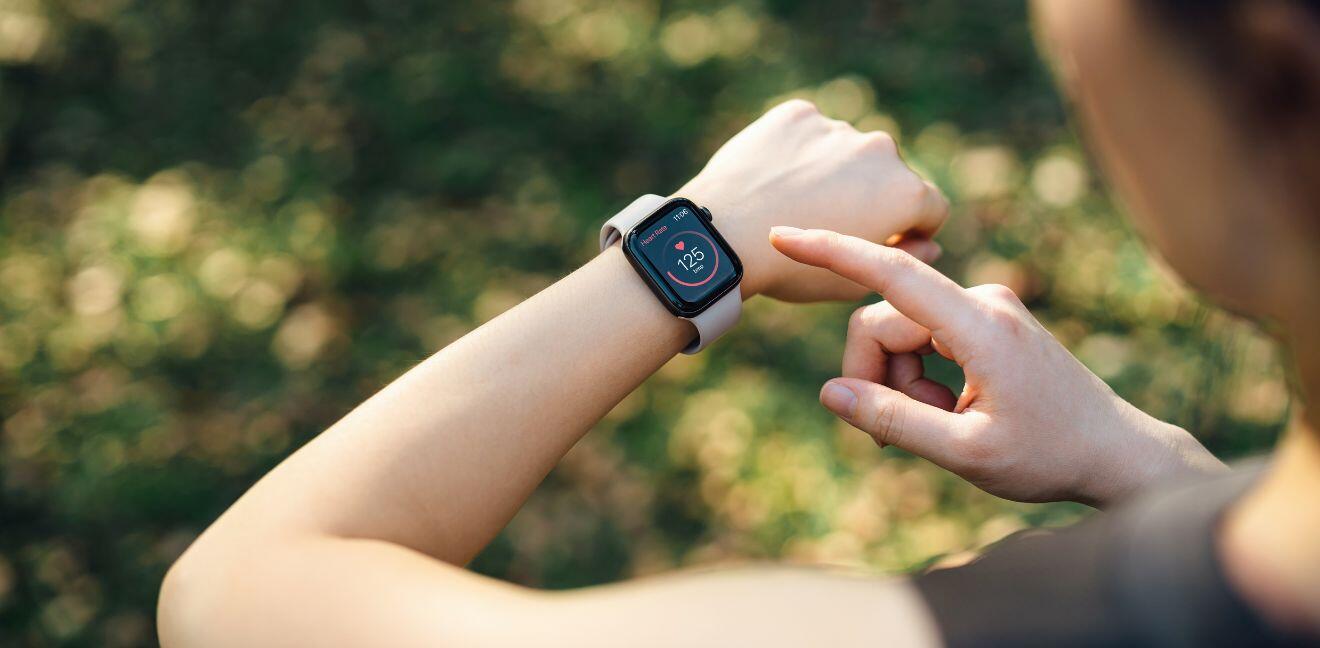
Across Australia and New Zealand, January marks a universal reset. Work ramps up, routines return, gyms fill, children head back to school, and to-do lists reappear.
For businesses, this is a moment of high intent - where consumers are motivated to spend and open to purchasing with new brands.
“Consumers aren’t splurging; they’re resetting.”
Josh Strutt, The Retail Doctor
“Consumers aren’t splurging; they’re resetting,” says Josh Strutt of The Retail Doctor. “They’ll reward brands that help them feel capable, organised, and ready for what’s next.”
Strutt adds that, with consumer sentiment slowly climbing, “optimism is quietly returning” - creating a prime opportunity for businesses to engage shoppers and start the year strong.
Think beyond back to school
While back-to-school shopping is a well-recognised event on the retail calendar – with Australians spending around $3.7 billion[i] on back-to-school supplies – the opportunity goes well beyond that.
Many consumers will be enacting New Year’s health resolutions; others will be investing in technology to set themselves up for a strong year; still others will be restocking their kitchens now that normal routines have resumed.
How to take part in the ‘return to routine’
Wellness brands: Lean into the New Year reset mindset with bundles that kick-start or simplify healthy habits (sleep kits, daily routines) or offer short-term challenges (7-day reboots).
Services: Frame the new year as a time to tick off key tasks: getting a car serviced or a dental checkup.
Pet retailers: Position January as ‘back to routine for your pet too”, and a chance to replenish or upgrade food, toys or training gear.
Electronics brands: Showcase products as tools to streamline life or reset routines and promote devices that automate daily routines.
Beauty brands: Lean into fresh-start framing and promote grooming services and products as a confidence reset before heading back to work.
Fashion brands: Position January as a moment to update everyday basics, refresh wardrobes and pick up organisational accessories (tote bags, crossbody bags).
Think practicality and purpose
After the indulgence of summer, January is all about routines, structure and productivity. There’s a sense of fresh-start energy, but also financial caution as households rebalance after holiday spending.
“Practicality and purpose dominate,” says Emma Easton of retail consultancy RetailOasis.
“Purchases are framed around getting organised, feeling ready, returning to balance and working on their goals.”
Emma Easton, RetailOasis
“Purchases are framed around getting organised, feeling ready, returning to balance and working on their goals.”
While consumers are still spending, they may be asking themselves a few more questions before they buy. Here are some tips on how to engage customers, build loyalty to keep them coming back throughout the year ahead.
Highlight subscriptions
The new year is the perfect opportunity to promote subscriptions. For shoppers, subscriptions can be a hassle-free way to get the new year organised or a smart way to build new habits.
For retailers and brands, subscriptions are an excellent source of recurring revenue and reliable way to stablise cash flow throughout the year. Plus, they’re an effective way to turn one-time shoppers into loyal customers.
Time it right
Campaigns should ramp up in January, two to three weeks before the shift back to routine. Too early and you miss the emotional readiness; too late and you lose relevance to organised families and professionals.
“Timing matters because it aligns with mindset, catching shoppers right when they’re mentally switching from relaxation to readiness,” says Easton.
“Timing matters because it aligns with mindset, catching shoppers right when they’re mentally switching from relaxation to readiness.”
Emma Easton, RetailOasis
Make it easy to shop
The segue from holiday January to real-life February can be a hectic one, and retailers that remove friction and save time will win.
“That means offering flexible fulfilment options - click-and-collect, same-day delivery, parcel lockers or direct-to-boot - alongside seamless omnichannel experiences that make it easy to switch between browsing and buying,” says Easton.
“Curated bundles and personalised edits help shoppers tick multiple needs off in one go, while smart reminders, streamlined navigation and one-click checkout create a sense of ease and efficiency. The goal is to take the mental load off the customer by anticipating what they need before they even have to ask.”
For some retailers, such as kids’ shoe brands, that might mean allowing parents to pre-book appointments rather than battle potentially lengthy queues. For wellness brands, it could involve offering short quizzes to help shoppers identify what they need quickly.
Offer returns
Workout gear, travel bags, kids’ clothes… everyone makes mistakes. So if returning and exchanging are as easy as buying, you’re more likely to inspire confidence to purchase. And that doesn’t mean having to offer the service for free.
“We’re seeing retailers finding alternatives to keep shoppers happy, such as offering an optional small upfront fee to unlock free returns,” says John-David Klausner, brand strategist and general manager, international at returns platform Loop. “Our research at Loop found that 75 per cent of Aussie shoppers say they’re unlikely to buy again after a bad returns experience, so it’s important to look at the entire purchase journey rather than just the top of the funnel.”
“Our research found that 75 per cent of Aussie shoppers are unlikely to buy again after a bad returns experience.”
John-David Klausner, Loop
Appeal to value-conscious shoppers
Shoppers at this time of year are looking for smart ways to stretch their budgets without compromising on quality.
“Value isn’t just about price, it’s about utility, durability and how well something supports their goals or lifestyle reset. Retailers who frame value through long-term benefit rather than short-term cost will win trust,” says Easton.
A Buy Now Pay Later option is a proven way to appeal to budget-conscious shoppers — and boost basket size at the same time.
[i] Finder, Back to school costs and statistics for 2025, January 2025
All references to any registered trademarks are the property of their respective owners. Afterpay does not endorse or recommend any one particular supplier and the information provided is for educational purposes only.

Categories